
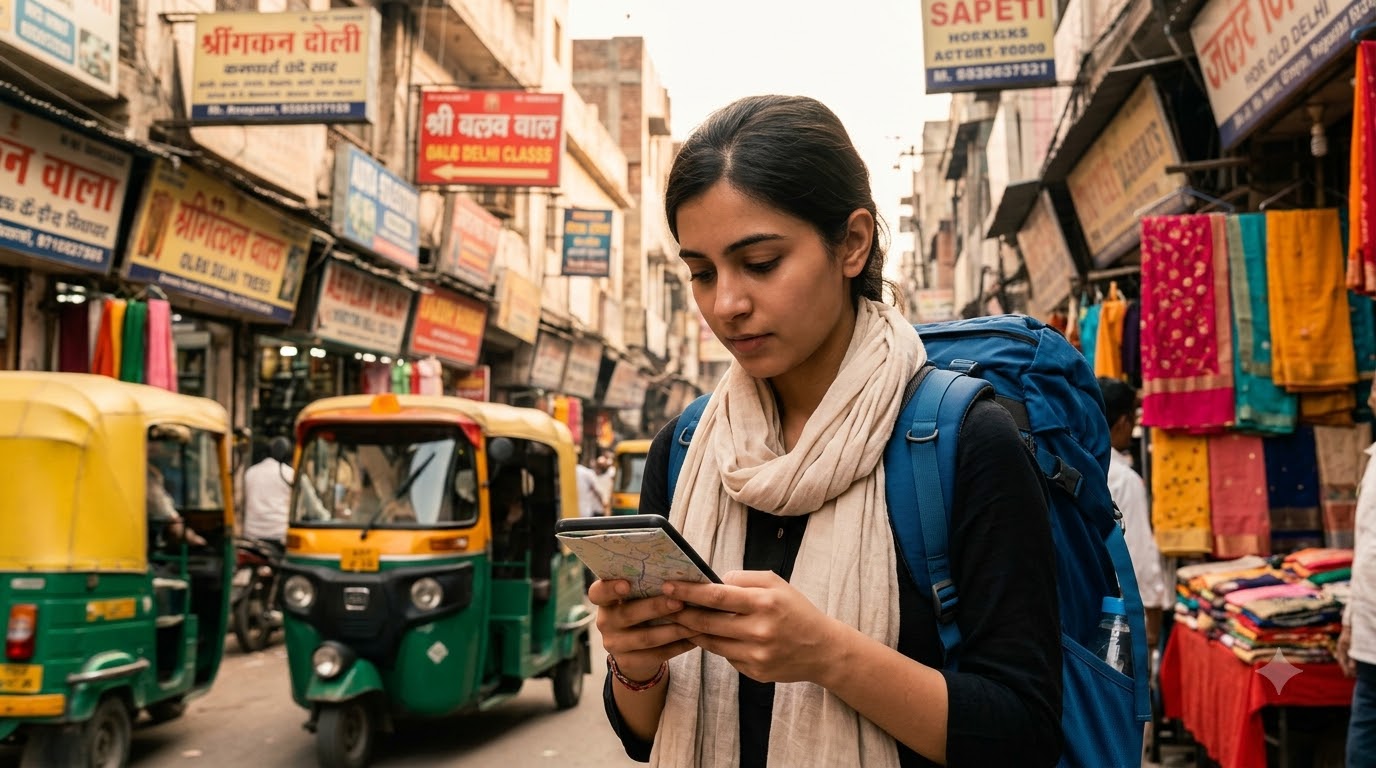
Essential Travel Tips for First-Time Travelers in India
India is one of the most diverse travel destinations in the world. From the snow-covered Himalayas and golden deserts to tropical beaches, historic forts, colorful markets, and vibrant cities, the country offers something for every kind of traveler. However, for first-time visitors, India’s size, cultural diversity, busy streets, and different ways of doing things can sometimes feel overwhelming.
With a little preparation, your first trip to India can be comfortable, exciting, and unforgettable. Here are some essential travel tips to help you make the most of your journey.
1. Plan Your Trip Around the Weather
India has several different climate zones, so the best time to visit depends heavily on where you are going. Northern destinations can have cold winters, while southern coastal areas remain warm for much of the year. The monsoon season can also bring heavy rainfall to many parts of the country.
Before booking your trip, research the weather for each destination on your itinerary. Pack accordingly and avoid trying to cover too many regions in a single trip. India is enormous, and traveling between distant destinations can take much longer than expected.
2. Choose Your Destinations Carefully
For a first visit, it is better to explore a few destinations properly rather than rushing through many cities.
Popular choices include Delhi for history and culture, Agra for the Taj Mahal, Jaipur for royal architecture and markets, Kerala for backwaters and beaches, Goa for a relaxed coastal experience, and Varanasi for its spiritual atmosphere.
Think about what type of experience you want history, food, nature, beaches, adventure, shopping, or culture and build your itinerary around those interests.
3. Respect Local Customs and Traditions
India has a rich cultural and religious heritage, and customs can vary significantly from one region to another. Dress modestly when visiting temples, mosques, monasteries, and other religious places. Some sites may require visitors to remove their shoes before entering.
Avoid touching religious objects or entering restricted areas without permission. When visiting someone’s home, follow their lead regarding footwear, food, and other customs.
A little cultural awareness goes a long way and will help you have more positive interactions with local people.
4. Learn a Few Useful Local Phrases
English is widely understood in India’s major cities and tourist destinations, but learning a few simple Hindi phrases can make your journey more enjoyable.
Words such as “Namaste” (hello), “Dhanyavaad” (thank you), “Kitna?” (how much?), and “Theek hai” (okay) can be useful.
Remember that India has hundreds of languages and dialects, so Hindi is not universally spoken. In some states, local languages are more commonly used. Even attempting a few words in the local language is often appreciated.
5. Be Careful With Food and Water
Indian food is one of the highlights of traveling in the country, but first-time visitors should take some precautions.
Drink bottled or properly filtered water and avoid drinking tap water unless you know it is safe. Be cautious with raw salads, unpeeled fruits, and food that has been sitting out for long periods.
When trying street food, choose busy stalls with a high turnover of customers. Freshly prepared food that is cooked thoroughly is generally a safer choice.
Most importantly, don’t be afraid to try local cuisine. From biryani and butter chicken to dosa, chole bhature, idli, and regional specialties, India’s food culture is incredibly diverse.
6. Use Reliable Transportation
India offers many transportation options, including trains, buses, taxis, auto-rickshaws, metros, and domestic flights.
For long-distance travel, trains can be an excellent way to experience the country. However, popular routes can sell out, so booking in advance is recommended.
In cities, use reputable ride-hailing services or official taxi services where available. If you use an auto-rickshaw, agree on the fare beforehand when a meter is not being used.
Google Maps and other navigation apps can be extremely useful for checking routes, travel times, and locations.
7. Keep Your Belongings Secure
India is generally welcoming to tourists, but crowded areas can create opportunities for pickpocketing and petty theft.
Keep your passport, money, phone, and important documents secure, particularly in busy markets, railway stations, public transportation, and tourist attractions.
Carry only the cash you need for the day and keep digital copies of important documents such as your passport, visa, travel insurance, and booking confirmations.
A small crossbody bag or secure backpack can be useful when exploring crowded places.
8. Carry Cash and Use Digital Payments
Digital payments are extremely common in India, particularly through UPI. Many shops, restaurants, taxis, and small businesses accept digital payments.
However, international visitors may not always be able to use every local payment method without an appropriate account or setup. Therefore, it is still a good idea to carry some Indian rupees for smaller shops, local transport, markets, tips, and places that do not accept cards.
Keep your payment cards and cash in separate locations as a precaution.
9. Prepare for Crowded Cities and Busy Roads
Traffic in major Indian cities can be intense, and crossing roads may feel very different from what you are used to.
Do not assume that vehicles will always stop for pedestrians. Use designated crossings where possible and pay close attention when walking near roads.
Popular attractions, markets, railway stations, and festivals can also become extremely crowded. Stay aware of your surroundings and give yourself extra time when traveling.
10. Dress Comfortably and Appropriately
India’s climate can be hot and humid in many regions, so lightweight and breathable clothing is often useful. At the same time, modest clothing is appropriate in many cultural and religious settings.
Carry a lightweight scarf or shawl that can be used when visiting religious sites or when you need additional protection from the sun.
Comfortable walking shoes are also essential because exploring Indian cities, forts, markets, temples, and historical sites often involves a lot of walking.
11. Get Travel Insurance
Travel insurance is an important part of international travel. It can help protect you against unexpected situations such as medical emergencies, trip cancellations, lost baggage, or travel disruptions.
Before purchasing a policy, check what it actually covers, including medical expenses, adventure activities, transportation disruptions, and personal belongings.
Keep your insurance information easily accessible throughout your trip.
12. Keep Your Itinerary Flexible
One of the biggest mistakes first-time travelers make is creating an overly packed itinerary.
Indian cities can be unpredictable. Traffic, delays, weather, crowds, and transportation changes can affect your plans. Instead of scheduling every hour, leave some free time between activities.
A flexible itinerary also gives you an opportunity to discover unexpected experiences perhaps a local restaurant, a neighborhood market, a cultural performance, or a conversation with someone you meet along the way.
13. Be Patient and Enjoy the Experience
Traveling in India can sometimes challenge your expectations. Things may not always happen at the exact time or in exactly the way you planned.
Instead of becoming frustrated, treat these moments as part of the adventure. India is a country of contrasts, where ancient traditions exist alongside modern technology and peaceful temples can be only a short distance from busy city streets.
The more open-minded and patient you are, the more rewarding your experience is likely to be.
Final Thoughts
Your first trip to India can be an incredible experience if you prepare properly. Research your destinations, understand local customs, take sensible health and safety precautions, choose reliable transportation, and keep your plans flexible.
Most importantly, don’t try to experience the entire country in one trip. India is vast and diverse, and every region has its own culture, cuisine, landscapes, and traditions. Take your time, explore at your own pace, and remain curious.
With the right preparation and an open mind, India can offer far more than beautiful tourist attractions it can provide unforgettable experiences, fascinating cultural encounters, and memories that stay with you long after you return home.